Camera-specific lens buying guide
Best Wildlife Lenses for Nikon Z8: Reach, Handling and Used Value
The Nikon Z8 can follow demanding wildlife subjects, but its camera capabilities do not remove the need to choose appropriate telephoto reach and handling. The useful purchase is not necessarily the longest or most expensive option. A flexible 100–400mm-type zoom, a longer 180–600mm-class lens and a fixed super-telephoto each solve a different field problem. This native Z-mount guide links those decisions to real used-buying options.
Mirrorless Lens World editorial research uses camera-compatibility records, manufacturer-described lens specifications and refreshed retailer listings. Products here have not been represented as personally hands-on tested. Affiliate links may earn us a commission at no extra cost to you.
The short answer
What should you buy first?
For mixed wildlife, a native 100–400mm-style zoom is a flexible starting point when subjects approach unpredictably or hikes demand manageable equipment. If smaller birds and distant wildlife dominate, compare an 180–600mm-class zoom for extra reach. A high-aperture fixed telephoto may offer other advantages, but costs, carrying weight, and working distance should determine whether it belongs in your kit.
Compatible, currently eligible buying options
Compare the starting prices and trade-offs
These are camera-compatible lens families ranked from the requested photography use and budget. The figures are starting prices for eligible individual listings, not a guarantee that every condition grade is available at that price. Confirm stock and terms before buying.
| Lens | Focal length | Sensor coverage | Starting offer | Retailers |
|---|---|---|---|---|
| Nikon Nikkor Z 100-400mm f/4.5-5.6 VR S Autofocus FX Lens | 100–400mm | Full Frame | $2,355 | KEH |
| Nikon Nikkor Z 180-600mm f/5.6-6.3 VR Full-Frame Autofocus Lens | 180–600mm | Full Frame | $1,795 | KEH |
| Tamron 150-500mm f/5-6.7 Di III VC VXD Full-Frame Lens | 150–500mm | Full Frame | $1,028 | KEH |
| Nikon Nikkor Z 800mm f/6.3 VR S FX Autofocus Lens | 800mm | Full Frame | $4,778 | KEH |
| Nikon Nikkor Z 28-400mm f/4-8 VR Autofocus FX Lens | 28–400mm | Full Frame | $1,051 | KEH |
Original comparative buying analysis
Head-to-head: which trade-off makes sense?
These comparisons explain distinct purchase decisions using documented focal lengths, aperture characteristics and camera compatibility. They are not numerical optical-test results, and the precise retailer listings still need inspection.
Nikon Z 100–400mm f/4.5–5.6 VR S vs Z 180–600mm f/5.6–6.3 VR
Choose the first when: Choose 100–400mm for mixed wildlife, travel and a shorter minimum focal length that helps acquire closer or larger animals.
Choose the alternative when: Choose 180–600mm for small birds and subjects where the 400mm long end regularly leaves you cropping aggressively.
The longer zoom adds reach but narrows your starting field of view at 180mm and changes the kit's carrying requirements. Comparing zoom range alone misses handholding, tracking and realistic field distances.
What to check before paying: A focal length is not an image-quality score. Inspect used zoom action, stabilization, weight, collar and exact seller condition before committing.
A long-range wildlife zoom vs a fixed super-telephoto
Choose the first when: Choose a zoom when you alternate between birds in flight, nearby animals and distant subjects in the same outing.
Choose the alternative when: Choose a fixed telephoto when you know your typical working distance and any speed, optical or handling advantage justifies reduced framing flexibility.
A fixed long focal length can make it difficult to find a fast subject in the viewfinder. Maximum aperture, working distance and carrying strategy should outweigh chasing the highest millimeter number.
What to check before paying: For supported teleconverter combinations, account for lost effective aperture and any operating limitations. Confirm exact Z-mount model and included support hardware.

Choice 01 · Flexible wildlife telephoto
Nikon Nikkor Z 100-400mm f/4.5-5.6 VR S Autofocus FX Lens
The 100–400mm range lets you acquire a subject at the shorter end and tighten framing as needed. This can be more practical for unpredictable birds and larger wildlife than starting at a fixed super-telephoto focal length.
Important trade-off: Some small or distant birds still demand more reach, but do not sacrifice an affordable, manageable lens purely for an extreme headline focal length.

Choice 02 · Long-reach wildlife zoom
Nikon Nikkor Z 180-600mm f/5.6-6.3 VR Full-Frame Autofocus Lens
The 180–600mm range lets you acquire a subject at the shorter end and tighten framing as needed. This can be more practical for unpredictable birds and larger wildlife than starting at a fixed super-telephoto focal length.
Important trade-off: Reach comes with increased handling demands. Check aperture at the long end, carrying weight, zoom operation and whether a support makes sense.
Choice 03 · Flexible wildlife telephoto
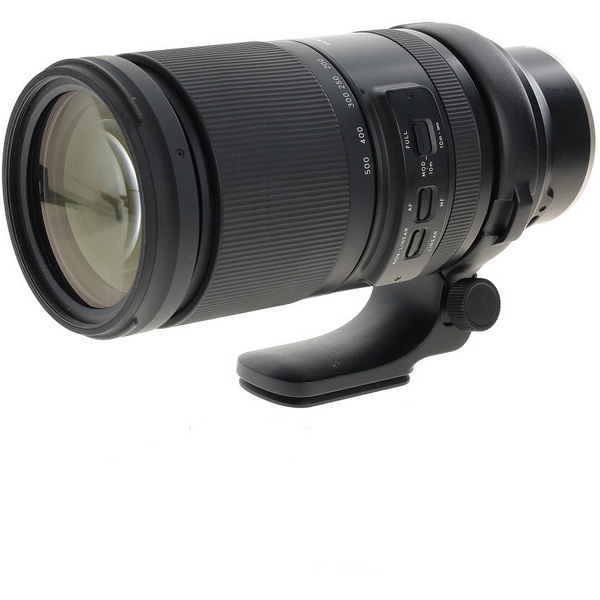
Tamron 150-500mm f/5-6.7 Di III VC VXD Full-Frame Lens
The 150–500mm range lets you acquire a subject at the shorter end and tighten framing as needed. This can be more practical for unpredictable birds and larger wildlife than starting at a fixed super-telephoto focal length.
Important trade-off: Some small or distant birds still demand more reach, but do not sacrifice an affordable, manageable lens purely for an extreme headline focal length.

Choice 04 · Fixed super-telephoto option
Nikon Nikkor Z 800mm f/6.3 VR S FX Autofocus Lens
At 800mm, this lens emphasizes distant subjects and may suit a photographer who knows their working distance and usually shoots in suitable light.
Important trade-off: A fixed long lens makes finding moving subjects harder than a zoom; verify handling and stabilization.

Choice 05 · Flexible wildlife telephoto
Nikon Nikkor Z 28-400mm f/4-8 VR Autofocus FX Lens
The 28–400mm range lets you acquire a subject at the shorter end and tighten framing as needed. This can be more practical for unpredictable birds and larger wildlife than starting at a fixed super-telephoto focal length.
Important trade-off: Some small or distant birds still demand more reach, but do not sacrifice an affordable, manageable lens purely for an extreme headline focal length.
Choice 06 · Flexible wildlife telephoto
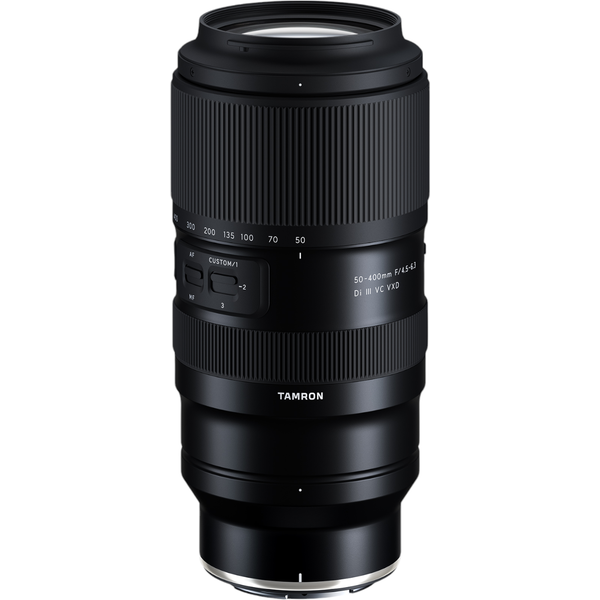
Tamron 50-400mm f/4.5-6.3 Di III VC VXD Full-Frame Lens
The 50–400mm range lets you acquire a subject at the shorter end and tighten framing as needed. This can be more practical for unpredictable birds and larger wildlife than starting at a fixed super-telephoto focal length.
Important trade-off: Some small or distant birds still demand more reach, but do not sacrifice an affordable, manageable lens purely for an extreme headline focal length.
Buying analysis
How to choose the right option
The 400mm-versus-600mm decision on a full-frame Z8
Longer focal length gives a tighter field of view from a fixed position, which can be valuable for distant or small subjects. It also magnifies the practical difficulty of locating animals and keeping them framed. A zoom that starts at a more moderate focal length lets you acquire the subject and then extend toward the long end as it settles.
The Z8 has a full-frame FX sensor; choosing a DX-format lens entails crop considerations. Teleconverters can extend reach for supported combinations but reduce the effective maximum aperture and may add handling or autofocus constraints. Assess the combined system, not the converter or lens independently.
Available light and high shutter speeds matter
A distant animal that moves suddenly generally needs a faster shutter speed than a stationary landscape. Image stabilization helps counter camera shake but cannot make a moving wing stop. At the long end of a variable-aperture zoom, the effective maximum aperture may become relatively small, requiring higher ISO in shade or late-evening conditions.
Do not let a premium f/2.8 or f/4 telephoto dominate the recommendation purely because it is fast. Buyers who hike all day or photograph birds opportunistically may gain more from an accessible zoom range they are prepared to carry and use.
What to inspect on used wildlife telephotos
Zoom action, autofocus operation, stabilization, impact signs, tripod-collar condition and glass clarity are especially important on a large, frequently transported telephoto. Check that the product is a native Z model; older F-mount lenses are a separate adapted purchase with additional FTZ considerations.
A complete package with hood, collars and serviceable return terms may justify a premium over the lowest advertised unit. Use the buying links as starting points and confirm the exact condition grade and total price on the merchant website.
Used-gear purchase checklist
Before you leave for the retailer
A low listed price is only useful when the exact copy meets your condition and compatibility expectations. Compare these five considerations when choosing between offers.
- Model and mount: Confirm the complete manufacturer model, native fit, image coverage and whether a listed variant needs an adapter.
- Glass and operation: Review descriptions of haze, fungus, scratches, autofocus, aperture behavior, stabilization and zoom or focus ring operation as applicable.
- Condition versus savings: Compare actual seller grades, not only the lowest number; a cleaner unit can be a better purchase for a modest premium.
- What's included: Check hood, caps, collar, pouch and filter threads against the specific product listing.
- Total purchase terms: Review shipping, returns, seller protections and availability at checkout. A listing can sell between our feed refresh and your visit.
How we selected these recommendations
We identify native, camera-compatible lens families, evaluate the photography-use signals where applicable, and include only families with an eligible recently imported KEH buying option or qualifying recent eBay listing. Recommendations and starting prices can change with the feed. No fabricated benchmark, laboratory score or personal-testing claim is used.
- Nikon Z native compatibility and FX-format coverage prioritized
- Long-reach zoom diversity balanced against light, weight and tracking practicality
- Current eligible used offers rather than invented lab ratings
Read our editorial policy and affiliate disclosure. For used gear condition checks, see our used-lens buying checklist.
Sources and verification
Review responsibility: Mirrorless Lens World Editorial Desk. Technical and purchasing advice was reviewed October 3, 2026. Retailer inventory is checked separately when the page is requested; this date does not assert each seller's offer was re-reviewed manually.
Mount, camera format and adapter guidance can be checked against the manufacturer's own documentation. Individual lens specifications are cross-checked against the imported merchant catalog; actual price and condition must be verified on the destination retailer listing. We do not claim to have personally tested these lenses.
Frequently asked buying questions
Is 400mm enough for Nikon Z8 wildlife photography?
For larger wildlife and animals at manageable distances it can be. Smaller distant birds often benefit from longer reach, provided you can stabilize and track the combination.
Is the Nikon Z 180–600mm better than the 100–400mm for everyone?
No. The longer zoom provides valuable reach but has different size and handling trade-offs. Subject distance, travel style and available light drive the decision.
Can an older Nikon F-mount telephoto fit the Z8?
Compatible F-mount lenses require an FTZ or FTZ II mount adapter, with restrictions depending on model. This native-mount shortlist focuses on Z lenses.
Compare the lenses in more detail
Already narrowed the camera and shooting style? These dedicated comparisons explain the purchasing differences between two specific models.
Keep comparing compatible lenses
Not finding the preferred price, aperture or focal length? Expand to the full camera-specific shortlist and inspect the exact seller conditions.