Sony E camera guide
Best lenses for Sony a7 IV in 2026
The Sony a7 IV is a 33-megapixel full-frame E-mount hybrid camera with five-axis in-body SteadyShot. Lens selection should balance full-frame coverage, autofocus behavior, aperture, optical quality, size and video needs rather than treating every FE lens as equally appropriate for the body.
Camera + lens research, not a camera storefront. Start with a compatible lens and the photography you want to pursue. Any camera-body prices shown in future kit comparisons will be supporting data for a complete body-and-lens decision, never separate camera shopping listings.
Sony a7 IV · Build a useful full-frame FE lens kit
Choose the missing capability, not another overlapping lens.
The a7 IV uses Sony E mount, but physical attachment alone is not the same as full-frame coverage. Native FE lenses are the straightforward route to using its full-frame sensor; APS-C E lenses generally use a cropped image area. Decide whether you need better low-light capability, additional reach or a genuinely wider field of view before comparing used offers.
Add a distinct portrait perspective
A full-frame 85mm prime creates a different working distance and framing option for individual portraits. It can complement a 24–70mm rather than replace it. Compare f/1.8 against the heavier, more expensive fast-aperture alternatives only if you expect to use the extra flexibility.
Compare the 85mm portrait trade-offs →Consider versatility before maximum aperture
A 24–105mm f/4-type travel zoom adds framing reach beyond 70mm. A 24–70mm f/2.8-type zoom prioritizes a brighter constant aperture but stops shorter. Choose according to moving subjects, light, packing weight and the overlap with lenses you already own.
Compare the standard zoom choices →Prioritize usable telephoto reach
A dedicated telephoto can add a capability that a standard zoom cannot supply. Assess autofocus tracking expectations, long-end aperture, weight, stabilization and whether you can safely carry it for the length of a shoot. A longer zoom is not automatically the best first purchase.
Find camera-compatible telephoto options →Compatibility-first · reviewed kit research
Build a compatible Sony a7 IV + lens kit
Three editorial starting points—not boxed retailer bundles. The camera and lens images depict separate products. Select whether you already own the camera; see verified retailer offers where available.
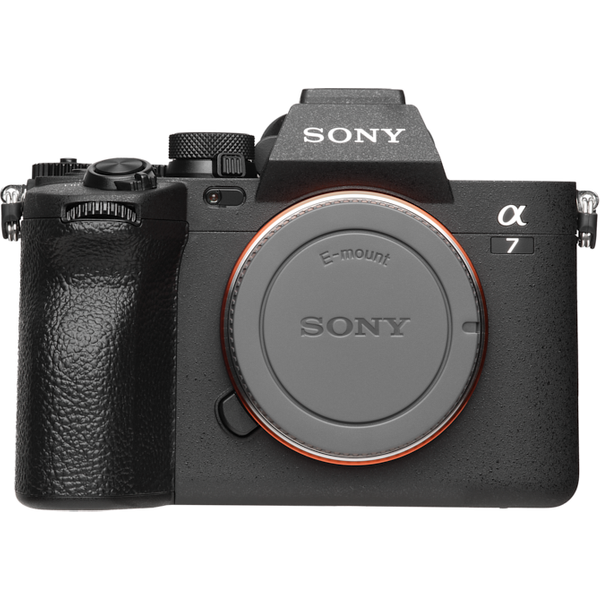

Full-frame portrait perspective with a relatively light prime and useful maximum aperture.
Trade-off to considerThe fixed 85mm framing can be too tight for group photographs indoors.

One stabilized zoom covering landscapes, everyday scenes and short telephoto details.
Trade-off to considerThe f/4 maximum aperture is less suitable for moving subjects in dim venues than f/2.8.

Substantial native telephoto reach for outdoor wildlife and distant action.
Trade-off to considerThe lens is large and less bright at long focal lengths; support and shutter speed matter.
Prices and stock can change. KEH offers require a current source feed; eBay and MPB listings are independently freshness-checked. Seller condition, accessories and final totals must be verified at checkout. Retailer links are sponsored; qualifying purchases may earn us a commission. We do not sell or ship cameras.
Start shopping with compatibility confirmed
Find a lens for your Sony a7 IV
Choose how you shoot to see a prioritized, native-mount shortlist with available retailer offers. The Finder retains this camera selection. Camera bodies are context for selecting compatible lenses and complete kits, not a separate storefront.
Focused buying advice for this camera
Building the kit
Add capabilities, not duplicate focal lengths.
A versatile a7 IV kit starts with a dependable full-frame standard zoom or normal prime. Add a brighter prime for portraits and low light, an ultra-wide for interiors and video, or a telephoto for distant subjects. Because the body supplies stabilization, lens choice can focus more heavily on optical and handling priorities.
Compatibility
The a7 IV uses Sony E mount with a full-frame sensor. FE lenses provide full-frame coverage; APS-C E lenses use a smaller APS-C image area. Sony specifies five-axis SteadyShot inside the camera. Hybrid video users should also check the exact lens for autofocus behavior, focus breathing, stabilization support and the framing needed for the intended recording mode.
Independent research and buying comparison
Which lens is right for the Sony a7 IV?
The Sony a7 IV combines a 33MP full-frame sensor, native E-mount and sensor-shift stabilization. Those capabilities support several lens paths, but a single ‘best lens’ is misleading: a lightweight f/4 travel zoom, a bright event zoom, a portrait prime and a long wildlife telephoto solve very different problems. This comparison separates photographic suitability from what happens to be in today's used inventory.
| Lens or option | Main advantage | Important compromise | Best reason to choose it |
|---|---|---|---|
| Sony FE 24–105mm f/4 G OSS | Broad 24–105mm coverage, optical stabilization, and one-lens travel convenience. | Maximum f/4 gathers half as much light as f/2.8 at matching focal length and shutter speed. | Daylight travel, documentary photography and events when fewer lens changes matter. |
| Sony FE 24–70mm f/2.8 GM / GM II | Constant f/2.8 with standard full-frame coverage, useful indoors and for moving subjects. | Shorter zoom range than 24–105mm; premium used pricing and larger carrying burden. | Regular paid events and low-light people photography where f/2.8 helps preserve shutter speed. |
| Sony FE 85mm f/1.8 | Fast short-telephoto portrait perspective in a comparatively portable prime. | Fixed angle of view; too narrow for groups in small rooms and not a travel-wide option. | Portraits with controlled subject distance and natural-light background separation. |
| Sony FE 200–600mm f/5.6–6.3 G OSS | Long stabilized focal range for birds, outdoor sports and distant subjects. | Large lens, limited brightness and greater demands on tracking, support and shutter technique. | Outdoor wildlife work where 105mm or 200mm is simply not long enough. |
From an inexpensive kit zoom to a first lasting upgrade
The FE 28–70mm f/3.5–5.6 can cover everyday scenes, so replacing it without identifying a recurring problem is poor value. If missed images are too tight indoors, moving to a 24mm wide end changes framing noticeably. If a moving child is blurred, f/2.8 or a brighter prime may provide extra shutter-speed headroom; the a7 IV’s five-axis stabilization cannot freeze a moving subject. If the problem is distant subjects, the answer is focal reach, not a faster normal zoom.
Hybrid event photography and video
A constant f/2.8 zoom gives predictable exposure across focal lengths for receptions and indoor sessions. But videographers should also inspect autofocus transitions, stabilization compatibility, focus breathing and handling of the precise lens generation. Sony’s a7 IV has 33MP still resolution, yet its video crop behavior varies by recording mode. Choosing a full-frame lens does not mean every movie mode preserves the full-frame angle of view.
Landscape, portraits and wildlife are separate kits
The 24–105mm f/4 is versatile for daylight landscape compositions and general travel. An 85mm f/1.8 prime provides a different working distance and maximum aperture for people. The 200–600mm trades portability for reach and requires care with panning, stabilization, tripod support and actual shutter speed. A photographer should add the lens that supplies a missing ability instead of buying all three because they appear in a retailer shortlist.
The editorial verdict
For an a7 IV owner building around one dependable lens, compare the 24–105mm f/4 with a 24–70mm f/2.8 based on low-light frequency and the value of extra reach. Add an 85mm prime only if portraits genuinely dominate; choose the 200–600mm only for distant subjects. Today's product cards present available used examples and are not a substitute for that decision.
Sources, verification and editorial methodology
Camera-specific specifications are grounded in Sony's official a7 IV technical documentation. Lens comparisons are editorial interpretations of aperture, focal-length coverage and intended use, not original optical lab tests. Retailer conditions and price-history data below are catalog signals, not guarantees of availability or performance.
Primary research and manufacturer documentation:
Continue researching:
Lens research
Research the right lens before comparing prices.
Start with mount and sensor compatibility, then compare focal length, aperture, condition and current used availability.
Confirm compatibility
Separate physical mount fit from sensor coverage, autofocus and stabilization behavior.
How to know what lenses fit your camera →Evaluate a used lens
Compare optical condition, operation, accessories, seller protections and the actual used-market price.
Used-lens buying checklist →Native or adapted?
Adapter compatibility can affect autofocus, stabilization, firmware and handling.
Native vs adapted lenses →Browse the full system
The recommendations below are a starting point. The full catalog contains other native options at different focal lengths and prices.
Browse all Sony E lenses →Compare current buying guides →
Current recommendations
Best lenses for Sony a7 IV by use case
Recommendations are based on native mount compatibility, photography use and the latest imported KEH listings. Verify final stock, condition and price at the retailer.
Sony FE 24-105mm f/4 G OSS Full-Frame Autofocus Lens
Balances native compatibility, current availability and practical used-market value.
View historical used-price research
Used-price context: 60 tracked observations since Jul 27, 2026. The lowest available used price across those snapshots ranged from $692 to $778. The latest tracked starting price is $67 lower than the first tracked snapshot.

Sony FE 28-70mm f/3.5-5.6 OSS Full-Frame Autofocus Lens
Provides a lower-priced native lens option in the current catalog.
View historical used-price research
Used-price context: 60 tracked observations since Jul 27, 2026. The lowest available used price across those snapshots ranged from $109 to $175. The latest tracked starting price is $43 lower than the first tracked snapshot.
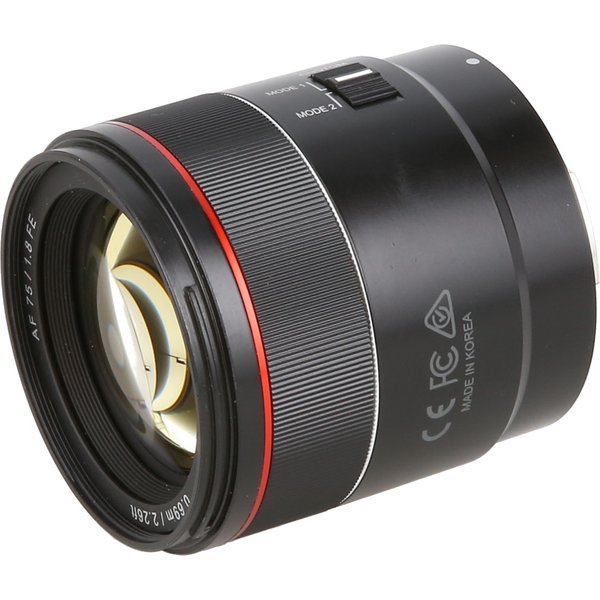
Samyang AF 75mm f/1.8 FE Full-Frame Autofocus Lens
Prioritizes portrait-friendly focal lengths and brighter apertures.
View historical used-price research
Used-price context: 30 tracked observations since Jul 27, 2026. The lowest available used price across those snapshots ranged from $226 to $228. The latest tracked starting price is $2 lower than the first tracked snapshot.

Sony FE 28-70mm f/3.5-5.6 OSS II Full-Frame Autofocus Lens
Prioritizes flexible framing or a practical everyday focal length.
View historical used-price research
Used-price context: 41 tracked observations since Oct 4, 2026. The lowest available used price across those snapshots ranged from $218 to $243. The latest tracked starting price is unchanged from the first tracked snapshot.
Sony FE 200-600mm f/5.6-6.3 G OSS Full-Frame Autofocus Lens
Prioritizes longer telephoto reach for distant subjects.
View historical used-price research
Used-price context: 49 tracked observations since Jul 27, 2026. The lowest available used price across those snapshots ranged from $1,426 to $1,753. The latest tracked starting price is $81 lower than the first tracked snapshot.

Samyang AF 85mm f/1.4 FE Full-Frame Autofocus Lens
Prioritizes lenses scored for available-light photography and brighter-aperture flexibility.
View historical used-price research
Used-price context: 60 tracked observations since Jul 27, 2026. The lowest available used price across those snapshots ranged from $326 to $380. The latest tracked starting price is $54 lower than the first tracked snapshot.
Frequently asked questions
Choosing lenses for Sony a7 IV.
What lenses fit the Sony a7 IV?
The a7 IV uses Sony E-mount lenses. Full-frame FE lenses use the complete sensor area, while APS-C E lenses use a cropped APS-C image area.
Does the Sony a7 IV have in-body stabilization?
Yes. Sony specifies five-axis SteadyShot inside the a7 IV.
Should a7 IV video users choose lenses differently?
Often yes. In addition to focal length and aperture, video users should consider autofocus behavior, focus breathing, stabilization and how the lens handles during manual or powered camera movement.
What makes a good second lens for the Sony a7 IV?
Choose a lens that adds something your main lens cannot provide, such as a brighter aperture, ultra-wide framing, macro focusing or substantially more telephoto reach.